When a 12‑month‑old baby looks at a picture of a dog and turns away, it can feel like a tiny mystery. Are they just shy, or is there something deeper at play? Understanding how toddlers interpret and respond to environmental cues is key to spotting early developmental concerns. In this article, we’ll explore what “following environment cues deficits in toddlers 12 months” means, how to recognize the signs, and practical ways to support your little one’s growth—plus a dash of humor to keep the mood light.
Understanding Environmental Cues in Toddler Development
What Are Environmental Cues?
Environmental cues are the subtle signals—visual, auditory, or tactile—that help children navigate the world. Think of them as invisible signposts: a pointing finger, a friendly smile, a pause in conversation, or even the scent of a favorite blanket. At 12 months, toddlers are beginning to piece together these signals to Resistance to physical touch form the first map of social interaction.
Why They Matter at 12 Months
At this age, the brain is like a sponge, soaking up information at a rapid pace. Proper cue processing supports language acquisition, social bonding, and even basic problem‑solving. If a child struggles to follow these cues, it can ripple into other developmental domains, making everyday tasks feel like climbing a steep hill.
> “The first year of life is when the brain builds the scaffolding for all future learning.” – Dr. Elena Martinez, Pediatric Neurologist
Recognizing Deficits in Following Environment Cues
Common Signs and Symptoms
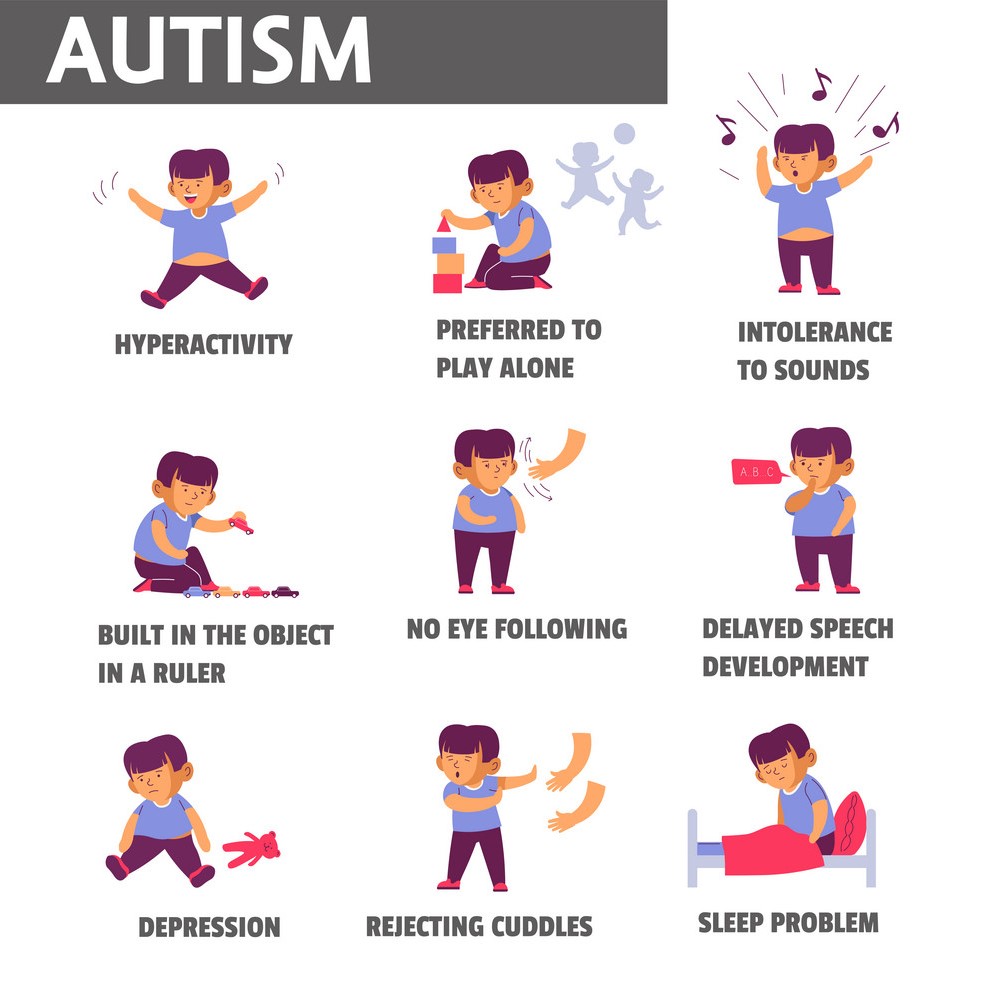
If you notice your toddler consistently ignoring or misinterpreting simple cues, you might be observing following environment cues deficits in toddlers 12 months. Look for:
- Delayed or absent pointing back when you point to objects or people. Minimal eye contact during conversations or play. Unresponsive to name or simple verbal prompts. Limited imitation of facial expressions or gestures.
These behaviors can be subtle, so keep a gentle eye on patterns rather than isolated moments.
The Role of Language and Social Interaction
Language and social interaction go hand in hand. A child who can’t pick up on cues often struggles with vocabulary and conversing. Conversely, a toddler who is attuned to cues tends to pick up words faster. This interplay is why early detection is crucial—think of it as catching a leak before the whole house floods.
Practical Strategies to Support Toddlers
Creating a Cue‑Friendly Environment
- Consistent routines act like a lighthouse, guiding toddlers through daily activities. Clear, simple language—short sentences help the brain focus on key cues. Visual supports such as picture cards or icons can reinforce verbal cues.
By keeping the environment predictable, you reduce cognitive overload and give your child a chance to shine.
Engaging Through Play and Routine
Play is the natural laboratory for cue processing. Try these activities:
- Simon Says—a classic that blends listening with movement. Mirror games—encouraging facial expression imitation. Turn‑taking stories—pausing to let your child point or respond.
These games are not only fun but also strengthen the neural pathways that underlie cue following.

When to Seek Professional Help
If you observe persistent deficits in following environment cues deficits in toddlers 12 months—especially if they coincide with delays in speech, motor skills, or social engagement—consider a developmental evaluation. Early intervention can make a world of difference, turning potential roadblocks into stepping stones.
A Lighthearted Anecdote & Wisdom
Last winter, I watched a toddler named Milo try to help with a snowball fight. Milo stared at the snow, then at the ball, and finally at his own face, as if wondering whether he’d accidentally turned into a snowman. He missed the cue to throw, but his laughter made the moment unforgettable. This simple scene reminds us that toddlers are still learning the map of the world—sometimes in ways that make us giggle.
> “Children are like mirrors; they reflect what we do, not what we say.” – Dr. Susan Lee
Wrapping Up: Keep the Compass Pointing Forward
So, what’s the takeaway? Recognizing and nurturing the ability to follow environmental cues is a cornerstone of healthy toddler development. By creating a supportive, cue‑friendly setting, engaging in playful learning, and staying alert to early signs of deficits, you help your child build a sturdy foundation for future growth.
If you’re concerned about your toddler’s Unusual reactions to sounds cue-following skills, reach out to a pediatrician or developmental specialist. Early guidance can turn a quiet pause into a confident stride. Remember, every child’s developmental journey is a unique story—your role is to be the steady guide, offering gentle nudges, plenty of praise, and a sprinkle of humor along the way.