When adults first learn that they might be on the autism spectrum, the news can feel like discovering a secret passage in a house they thought they knew. Suddenly, the familiar rooms—work, relationships, daily routines—take on new textures. One of the most intriguing developments in this field is the use of urine tests to help confirm an autism spectrum disorder diagnosis in adults. This article walks through why adult assessments matter, how traditional tools work, what the new urine-based science offers, and how you can navigate the process with confidence and a touch of humor.
Why Adult Assessments Matter
The Hidden Spectrum in Adulthood
Many adults who were never formally evaluated in childhood now find themselves wondering if their lifelong quirks are part of a larger picture. It's a bit like realizing your favorite mystery novel has a twist you missed in the first draft. Adult assessments help:
- Validate experiences that may have been dismissed as mere eccentricity. Guide treatment and support planning tailored to adult life. Open doors to workplace accommodations and community resources.
Have you ever felt like you were walking through a crowded room while everyone else was dancing? That feeling of being out of sync is common among adults on the spectrum, and getting a formal assessment can finally put a name to the experience.
Traditional Assessment Tools
Interviews and Observations
Clinicians often begin with a semi-structured interview, asking about developmental history, social interactions, and sensory sensitivities. Observational techniques—such as noting how a person navigates a coffee shop—provide real-time data. These methods are time-tested but can be influenced by the evaluator’s subjective lens.
Self-Report Questionnaires
Tools like the Autism Spectrum Quotient (AQ) or the Social Responsiveness Scale (SRS) allow individuals to self-reflect on traits such as attention to detail or difficulty with social cues. While useful, self-report instruments can be skewed by a person’s insight level or desire to present themselves in a certain light.
> “Assessment is not just about ticking boxes; it’s about understanding the story behind the symptoms.” – Dr. Elena Morales, Clinical Psychologist
The Emerging Frontier: Urine Tests
What Scientists Are Looking For
Researchers are investigating biomarkers—biological signatures—in urine that correlate with autism spectrum disorder. These markers might include:
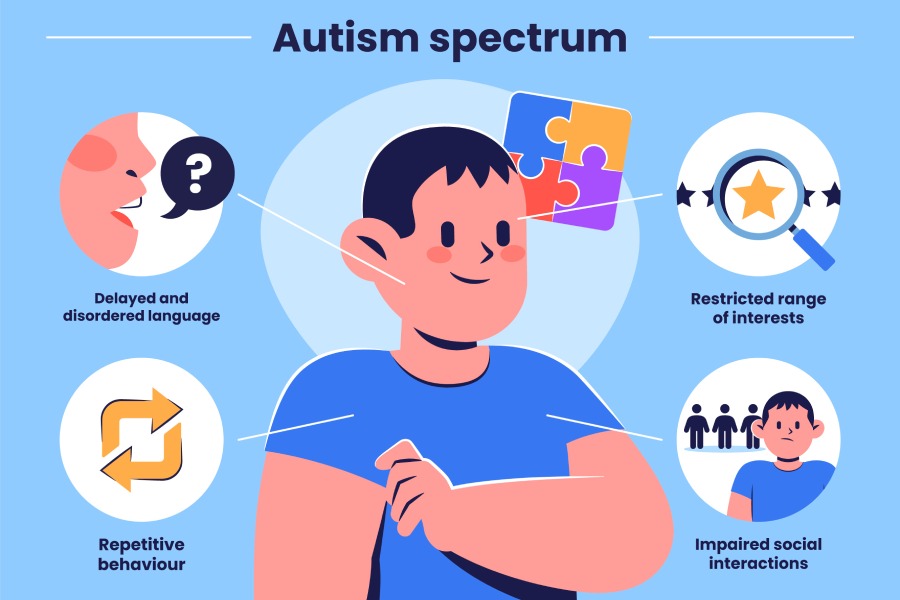
- Metabolic byproducts linked to neurotransmitter pathways. Hormonal ratios that differ in autistic individuals. Microbiome metabolites reflecting gut-brain interactions.
How the Test Works
A simple, non-invasive urine sample is collected and analyzed using advanced techniques such as mass spectrometry. The goal is to identify patterns that, when combined with clinical data, increase diagnostic confidence.
Current Limitations and Future Prospects
While promising, urine tests are still in the research phase. They are not yet a standalone diagnostic tool. Instead, they serve as a complementary piece in a larger puzzle. Future studies aim to refine sensitivity and specificity, potentially reducing the time and cost associated with traditional assessments.
Practical Steps for Adults Seeking an Assessment
Finding a Qualified Professional
- Look for clinicians with experience in adult autism. Verify credentials: board certification, specialized training. Check for a multidisciplinary approach (psychology, neurology, occupational therapy).
Preparing for the Evaluation
- Gather developmental history: school records, medical notes. List daily challenges: sensory sensitivities, social interactions. Bring any previous assessments or reports.
Interpreting Results (Including Urine Test if Done)
- Clinical interview: Primary source of diagnostic criteria. Questionnaires: Offer quantitative support. Biomarker analysis: Adds biological context—think of it as the “genetic GPS” that helps confirm the diagnosis.
If a urine test is part of the evaluation, it will be interpreted alongside the clinical picture. A positive biomarker result does not automatically confirm autism; it simply adds weight Limited pointing or gestures to the overall assessment.
A Real-World Glimpse
I once met Alex, a 34‑year‑old graphic designer, who was skeptical about getting assessed. He joked, “I’m not a robot, but my coffee machine does understand me better than most people.” During his evaluation, a urine test revealed elevated levels of a specific metabolite linked to sensory processing differences. While the test alone didn’t diagnose him, it helped the clinician see patterns that matched his lived experience. Alex’s diagnosis empowered him to request flexible work hours and sensory-friendly office equipment—changes that made a tangible difference in his daily life.
Charting the Road Ahead
The future of adult autism assessment is a blend of art and science. While interviews and questionnaires will remain foundational, emerging tools like urine tests promise to add a measurable layer to the diagnostic process. As research progresses, we may see a day when a simple pee test becomes a routine part of the evaluation—much like a breathalyzer at a bar, but for understanding the brain.
If you’re considering an assessment, start by researching clinicians who embrace both traditional and innovative methods. Remember, seeking a diagnosis is not just about labeling; it’s about unlocking support, understanding, and a sense of belonging.
*Take the first step today—reach Unusual reactions to sounds out to a qualified professional, and let the journey toward clarity begin.*